Why Homemade Roasted Red Peppers Reign Supreme Over Store-Bought
Imagine the vibrant crimson hue, the tender, smoky sweetness, and the delicate char that only perfectly roasted red peppers can deliver. These culinary gems are truly unsung heroes in the kitchen, capable of elevating a simple dish into an extraordinary one. While the convenience of a jarred version from the grocery store might tempt you, we're here to make a compelling case for embracing the simple, rewarding art of making them at home. Once you discover how to make roasted red peppers yourself, we wager you'll never look back.
The difference between homemade and store-bought isn't just subtle; it's a chasm of flavor, freshness, and quality. Preparing these versatile vegetables in your own kitchen offers an unparalleled taste experience, greater control over ingredients, and a host of other benefits that a factory-processed product simply can't match. Get ready to transform your meals and discover the true potential of this incredible ingredient.
The Unrivaled Flavor of Homemade Roasted Red Peppers
There’s a certain magic that happens when a humble red pepper meets the intense heat of an oven. The process doesn't just cook the pepper; it transforms it. The high temperature coaxes out the natural sugars, intensifying their inherent sweetness, while simultaneously charring the skin. This charring is key, imparting a distinctive smoky depth that is both complex and incredibly satisfying. The flesh, meanwhile, becomes wonderfully tender, almost melting in your mouth, infused with a bright, fruity essence.
Compare this to most store-bought roasted red peppers. Often packed in brine, oil, or vinegar, they can lose their vibrant, fresh character. The texture can be mushy rather than tender-firm, and the flavor profile is frequently overshadowed by preservatives, excess sodium, or an acidic tang that masks the pepper's natural sweetness. The true, nuanced taste of a freshly roasted pepper—that perfect balance of sweet, smoky, and subtly savory—is simply inimitable when it comes from your own oven. This isn't just about cooking; it's about crafting an ingredient that sings on its own or harmonizes beautifully with countless other flavors.
It's also worth noting the fundamental difference between red and green bell peppers. Green peppers are essentially unripe red peppers. Allowing them to fully ripen on the vine not only gives them their signature crimson hue but also significantly increases their sweetness and nutritional value. Ripe red peppers are easier to digest, less likely to cause discomfort (like burping), and are packed with more beneficial antioxidants. This inherent sweetness of a ripe red pepper forms the perfect canvas for roasting, making the final product inherently superior.
Beyond Taste: Health, Control, and Cost Benefits
While flavor is often the primary motivator, the advantages of making your own roasted red peppers extend far beyond the palate:
Complete Ingredient Control
When you make roasted red peppers at home, you dictate every ingredient. This means no mystery oils, no artificial preservatives, and no excessive sodium. You choose fresh, high-quality bell peppers, your preferred olive oil, and decide if and how much salt to add. This is particularly beneficial for those with dietary restrictions or who are conscious about processed foods. Store-bought jars often contain ingredients that can detract from both health and flavor, such as refined oils or chemical preservatives designed for shelf stability rather than peak taste.
Superior Nutritional Profile
Red bell peppers are nutritional powerhouses, rich in Vitamin C, Vitamin A, and a host of antioxidants. Roasting them at home preserves many of these vital nutrients better than some industrial processing methods. Moreover, by avoiding unnecessary additives found in many commercial products, you're getting a purer, healthier component for your meals. Beyond Green: Discover the Sweetness & Health of Roasted Red Peppers to truly understand their full impact.
Cost-Effectiveness and Reduced Waste
Buying red bell peppers in season, especially in bulk, is significantly more economical than purchasing small jars of already roasted peppers. You get more product for your money, and you can roast as many or as few as you need, reducing food waste. Furthermore, by making them yourself, you're eliminating the glass jar and lid waste associated with store-bought versions, making it a more environmentally friendly choice.
Always Fresh, Always Ready
Ever opened a jar of roasted peppers only to use half and then worry about the rest going bad in the fridge? Homemade peppers can be roasted in batches and stored or frozen in portions that suit your needs, ensuring you always have a fresh, flavorful supply without the pressure of a looming expiration date.
How to Make Roasted Red Peppers: Your Simple Step-by-Step Guide
The beauty of making roasted red peppers at home lies in its surprising simplicity. It requires minimal effort for maximum reward. Here's exactly how to make roasted red peppers:
1. Preparation: Wash and Dry
Start by washing your fresh red bell peppers thoroughly. Dry them completely with a clean towel. Excess moisture can prevent proper charring. For an added layer of flavor and to encourage even charring, lightly coat each pepper with about half a teaspoon of olive oil. This is optional but highly recommended.
2. The Roasting Process: High Heat is Key
Place the whole, unseeded peppers directly onto a bare baking sheet. Preheat your oven to a high temperature, around 500 degrees Fahrenheit (260 degrees Celsius). The intense heat is crucial because it rapidly chars the skin while simultaneously steaming and tenderizing the flesh within. Roast for approximately 25-30 minutes, flipping the peppers halfway through to ensure all sides get nicely blackened and wrinkly. Don't be afraid of the char – that's where the smoky flavor comes from!
3. The Steaming Secret: Loosening the Skins
Once the peppers emerge from the oven, their skins will be blistered and blackened. Immediately transfer them to a bowl and cover tightly with aluminum foil, or simply cover the entire baking sheet with foil, or even place them in a bowl and cover with a clean kitchen towel. Allow them to steam for at least 10-15 minutes, or up to 30 minutes. This crucial step creates a steamy environment that separates the charred skin from the tender flesh, making them incredibly easy to peel.
4. Peeling and Preparing: The Final Touch
Once cooled enough to handle (but still warm), carefully peel off the loosened skins. They should slip off effortlessly. Then, remove the stems, discard the seeds, and scrape away any inner white membranes. You'll be left with beautiful, tender, smoky strips of roasted red pepper ready for use. If you encounter any stubborn bits of skin, a small paring knife can help, but generally, the steaming process does most of the work.
Storing Your Homemade Roasted Red Peppers
One of the great benefits of making your own is having them on hand for future culinary adventures. Here’s how to store them:
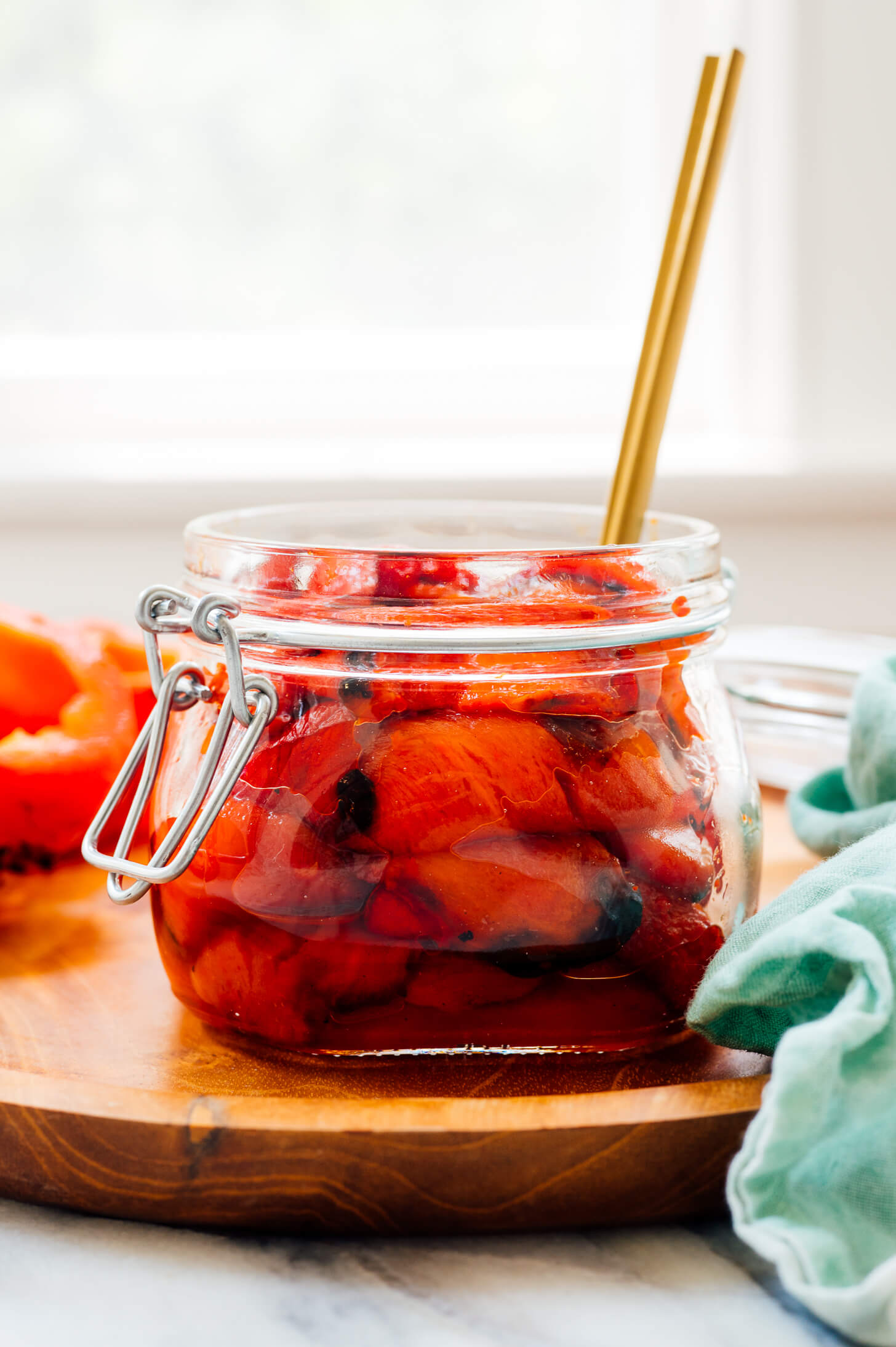
- Short-Term (Refrigeration): Store peeled and deseeded roasted red peppers in an airtight container in the refrigerator for up to 5-7 days. For an extra layer of flavor and preservation, you can pack them tightly in a jar and cover them with a good quality olive oil.
- Long-Term (Freezing): Roasted red peppers freeze beautifully. Once peeled and cleaned, you can freeze them whole, sliced into strips, or even pureed. Arrange them in a single layer on a baking sheet to freeze individually, then transfer to a freezer-safe bag or container. They will last for several months in the freezer, making them perfect for meal prepping.
Endless Culinary Possibilities: Using Your Roasted Red Peppers
Once you have a batch of these delectable homemade roasted red peppers, their versatility will astound you. They bring a unique blend of sweet, smoky, and savory notes to a vast array of dishes:
- Sauces & Dips: The foundation of classic Romesco sauce, a vibrant addition to pasta sauces, or blended into a creamy hummus for an irresistible dip.
- Soups: Elevate a simple tomato soup into a rich, complex roasted red pepper and tomato soup.
- Sandwiches & Wraps: Add a layer of gourmet flavor to roasted veggie sandwiches, paninis, or wraps. Their tender texture and intense flavor make them a standout ingredient.
- Salads & Bowls: Chop them into your favorite grain bowls or toss them into green salads for a burst of color and flavor.
- Pizza & Omelets: Scatter them over homemade pizza or fold them into a fluffy omelet or frittata for an instant upgrade.
- Curries & Stews: Their robust flavor can deepen the complexity of various curries and hearty stews.
- Purees: Blend them into a smooth puree for a stunning base for dressings, marinades, or even baby food.
The possibilities truly are endless. From a simple snack straight from the fridge to a sophisticated sauce, your homemade roasted red peppers will quickly become a cherished kitchen staple.
Conclusion
The choice between store-bought and homemade roasted red peppers is clear for those who prioritize flavor, health, and culinary satisfaction. While the jarred versions offer a fleeting convenience, they simply cannot replicate the nuanced sweetness, smoky depth, and tender texture achieved through the simple act of roasting peppers in your own oven. Armed with the knowledge of how to make roasted red peppers, you unlock a world of culinary potential, transforming everyday meals into something truly special. So, ditch the jar, embrace the char, and prepare to be amazed by the deliciousness that awaits.
